A rural development NGO works with communities to improve living conditions and create sustainable opportunities in villages. Its work can include support for agriculture and livelihoods, access to education and essential services, water conservation, community participation, and initiatives that help rural families build a more secure future.
Major NGO for Rural Development in India
Rural development is not about addressing one challenge in isolation. A village may need better access to water while farmers need stronger agricultural practices, young people need learning opportunities, and communities need the knowledge and resources to participate in their own development.
Our work focuses on connecting these needs through practical, community-led initiatives. As an NGO working for rural development, we work alongside communities to understand local challenges, support sustainable solutions, and encourage people to take an active role in creating lasting change.
Rather than treating villages as beneficiaries of short-term interventions, our approach focuses on building local capacity, strengthening participation, and creating solutions that can continue beyond a single project.
- education donation
- Child Health Care
- Women Empowerment NGO in Delhi | Nirmala Foundation
- Skill Development for Youth – Free Training Programs in Delhi
- Skill Development NGO in Delhi India
- Environmental NGO Working to Protect Nature, Restore Ecosystems & Empower Communities
- Disaster Response
- Differently Abled
- Human Rights Organization
- Awareness Programs
- Rural Development
- Kanyadaan & Poor Girls Marriage
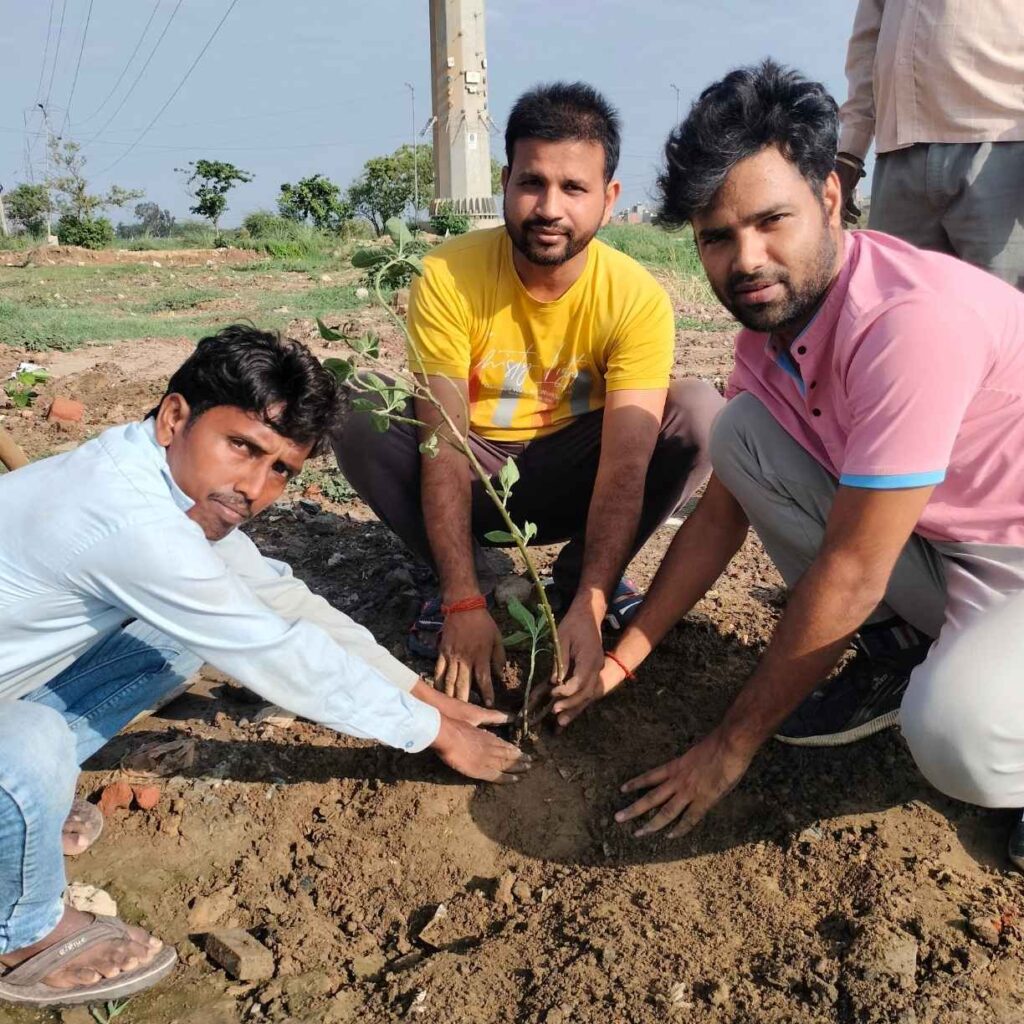
Tree Plantation Drive 2024 - Delhi NCR
Why Rural Development Matters ?
Millions of people in rural communities depend on agriculture, natural resources, local livelihoods, and community institutions for their everyday needs. When these systems face challenges, the effects can reach households, schools, farms, and local economies.
Rural development therefore requires more than financial assistance. It involves strengthening the systems that help communities become more resilient.
Key Areas of Rural Development
- Sustainable agriculture and livelihood opportunities
- Water conservation and resource management
- Education and skill development
- Health and community awareness
- Women’s participation and empowerment
- Youth engagement
- Local institutions and community leadership
- Environmental sustainability
A successful NGO for village development connects these areas according to the needs of the communities it serves.
The Challenges Rural Communities Face
Limited Livelihood Opportunities
For many rural families, income is closely connected to agriculture and local employment. Limited opportunities, changing conditions, and low access to resources can make household incomes vulnerable.
Water & Natural Resource Challenges
Water availability affects households, farming, livestock, sanitation, and local ecosystems. Conservation and responsible resource management can therefore play an important role in strengthening village resilience.
Gaps in Education & Skills
Access to quality education, practical skills, digital awareness, and learning opportunities can influence the future prospects of children and young people.
Community Infrastructure & Awareness
Development also depends on awareness, participation, access to information, and the ability of local communities to work collectively on shared challenges.

Our Approach to Rural Development
Our approach begins with the community.
We first understand local needs and existing resources, then work with people and local stakeholders to develop practical interventions. The objective is not simply to complete an activity but to strengthen knowledge, participation, ownership, and long-term outcomes.
1. Understand Local Needs
We engage with communities to identify challenges, priorities, available resources, and opportunities.
2. Build Community Participation
Local residents, farmers, women, youth, schools, and community groups can become active participants in the development process.
3. Implement Practical Solutions
Projects are designed around real local requirements, whether the focus is water, agriculture, education, livelihoods, or community development.
4. Build Local Capacity
Training, awareness, knowledge-sharing, and skill development help communities continue using and maintaining solutions.
5. Monitor Progress
Regular follow-up helps understand what is working, identify challenges, and improve implementation.
6. Work Toward Sustainability
The long-term goal is to help communities develop the confidence, knowledge, and systems needed to sustain positive change.
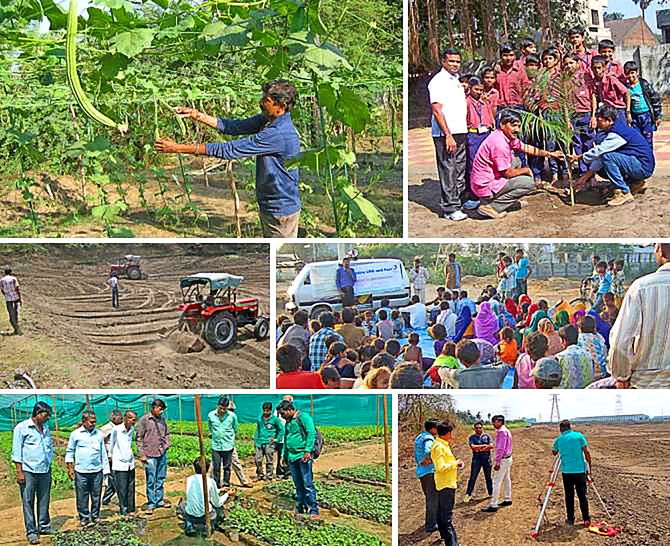
Rural Development Work From the Ground
Our Key Areas of Rural Development
Agriculture & Sustainable Livelihoods
Agriculture remains closely connected to rural livelihoods. Supporting farmers with practical knowledge, improved practices, access to resources, and sustainable approaches can help strengthen household resilience.
Our agriculture-focused initiatives can include farmer awareness, demonstrations, training, sustainable farming practices, livelihood support, and knowledge-sharing.
Water Conservation & Resource Management
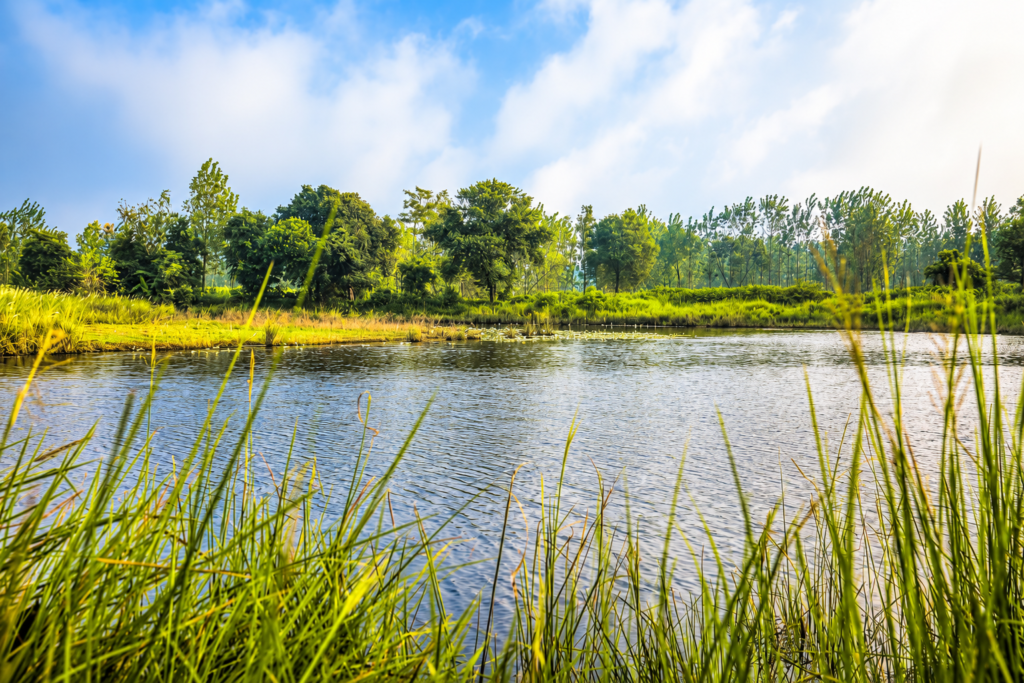
Water is fundamental to rural life. Its availability influences agriculture, households, sanitation, livestock, and community well-being.
Our water-related initiatives can focus on conservation, awareness, rainwater management, restoration, efficient use of resources, and community participation.
Education & Youth Development
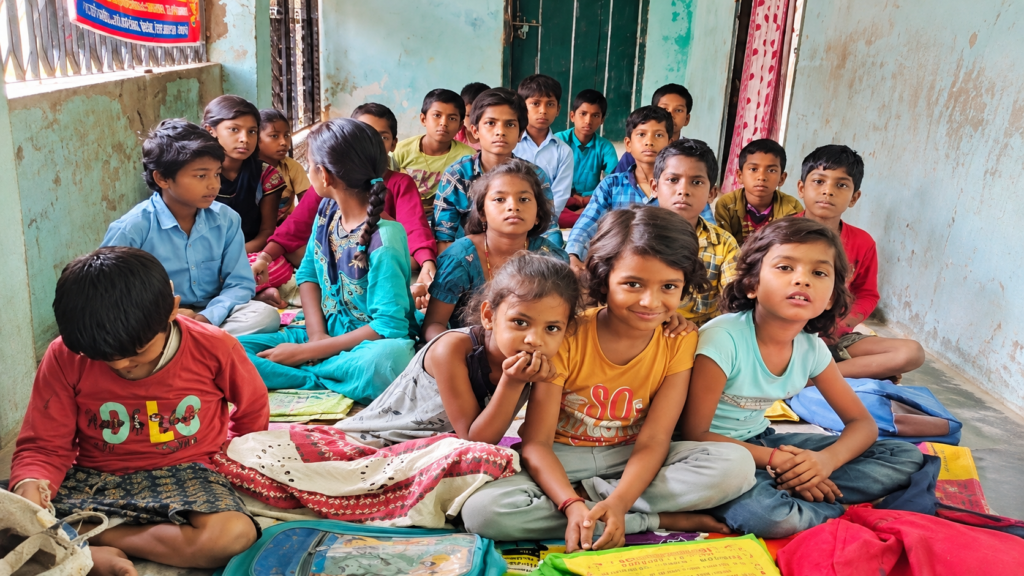
Rural development also means creating opportunities for children and young people.
Through education, awareness, skill-building, digital learning, and community engagement, development initiatives can help young people gain knowledge and confidence for the future.
Community Participation & Local Leadership
Long-term development becomes stronger when local people are involved in identifying problems and shaping solutions.
We encourage participation from residents, community groups, women, youth, farmers, schools, and other local stakeholders so that development becomes a shared process rather than an outside intervention.
Health, Awareness & Essential Community Support
Rural development is closely connected to people’s overall well-being. Awareness programs and access to essential information can help communities make informed decisions about health, hygiene, education, environment, and available public resources.
Where relevant to our projects, these initiatives are designed around the specific needs of the communities we work with.
Our Rural Development Projects
Real projects demonstrate what development looks like beyond a written mission statement.
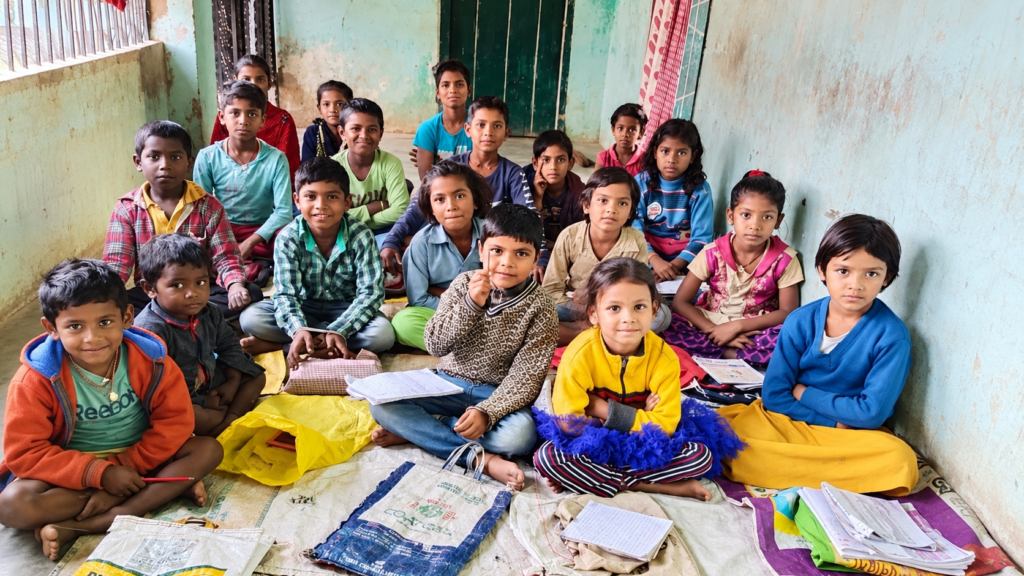
Project 1: Jharkhand Education Centre
Location: Jharkhand, India
Community Challenge:
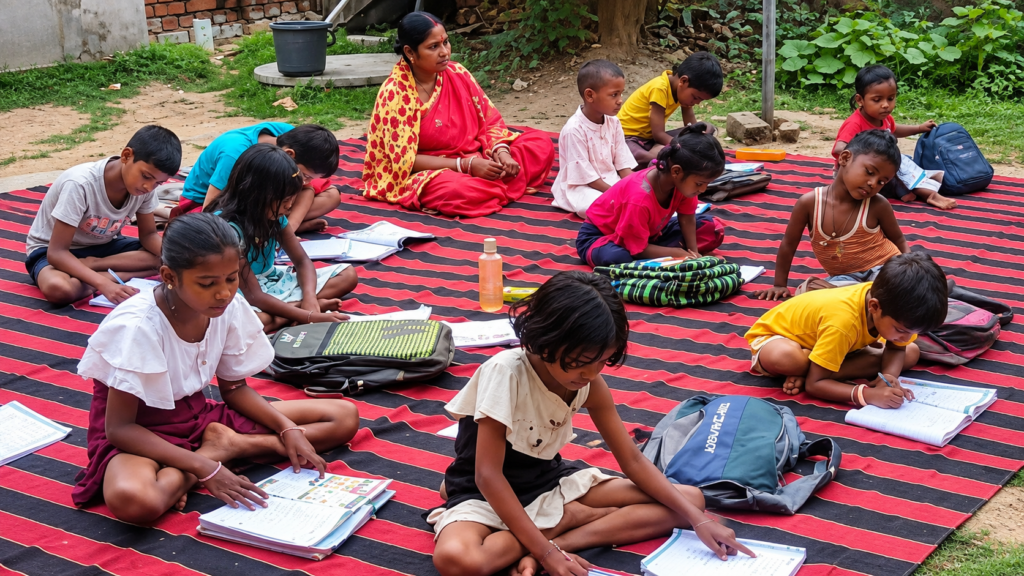
Children in rural communities can face limited access to quality educational opportunities and learning support. The Jharkhand Education Centre was established to help address this need and create a supportive environment where children can learn and develop.
Our Intervention:
Through the Jharkhand Education Centre, our organization provides education and learning support to children in the local community. The initiative focuses on helping children access regular educational opportunities and build a stronger foundation for their future.
Community Participation:
Children from the local community participate in the educational activities at the centre, with the initiative creating an environment that encourages learning, participation, and continued development.
Impact:
Through this initiative, we have educated children in Jharkhand and supported their access to education and learning opportunities.
Project 2: Bhagwatpur Education Centre
Location: Bhagwatpur, Bihar, India
Community Challenge:
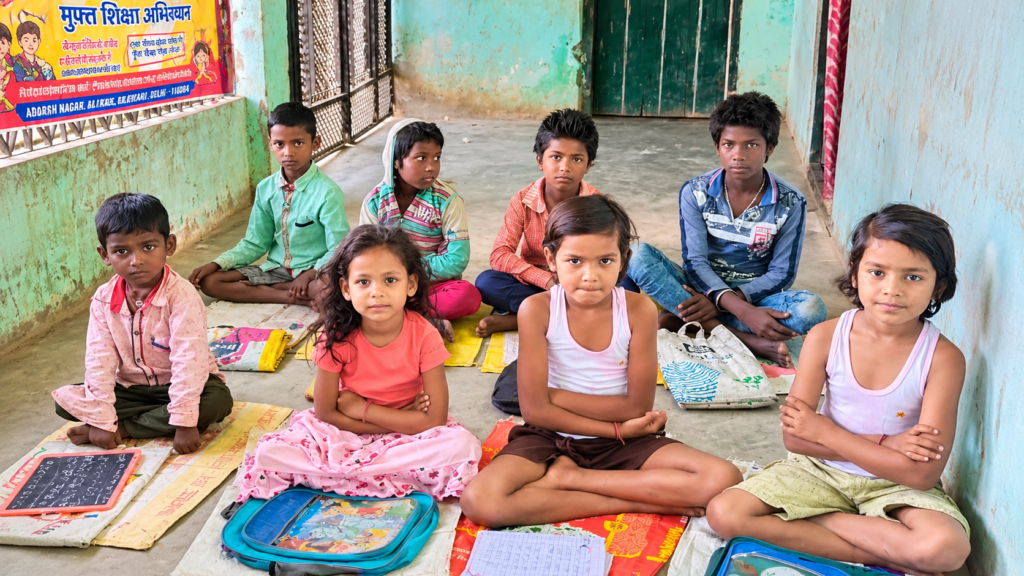
Children in the Bhagwatpur community needed access to educational opportunities and learning support. The education centre was developed to help children access education within their local community.
Our Intervention:
Through the Bhagwatpur Education Centre, our organization provides education and learning support to children in the community. The centre provides a dedicated space where children can participate in educational activities and continue their learning.
Community Participation:
Children from the local community participate in the educational activities at the centre, creating a supportive environment for learning and development.
Impact:
Through the Bhagwatpur Education Centre, we have educated children in Bihar and supported their access to education and learning opportunities.
Project 3: Jharkhand School Outreach Program
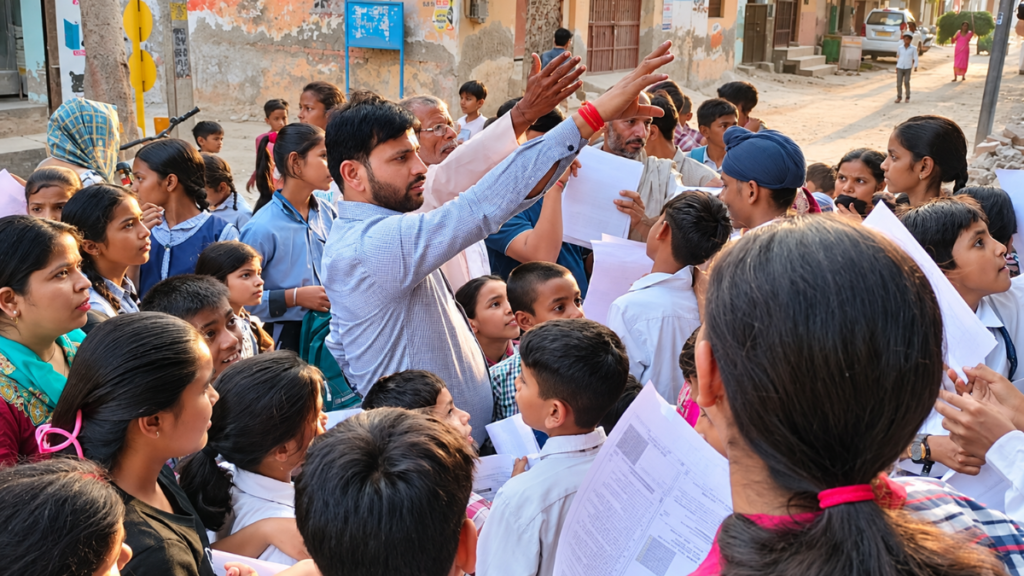
See how the Jharkhand School Outreach Program brings education and learning support closer to children in local communities. The video should document the project through real field footage and show the journey from identifying the need to engaging with students and delivering educational support.
Measuring Our Impact
Development should be supported by evidence.
Instead of measuring success only by the number of activities completed, we look at the people reached, communities engaged, infrastructure created or improved, knowledge transferred, and changes that can be documented over time.
Impact at a Glance
1278+
People reached
47+
Villages supported
56+
Farmers / households engaged
2154+
Community members trained
124+
Projects implemented
54+
Schools / institutions supported
Building Development That Lasts
A rural development initiative should not end when an activity is completed.
Long-term impact depends on whether communities understand the solution, participate in its implementation, have the capacity to maintain it, and can adapt it to changing needs.
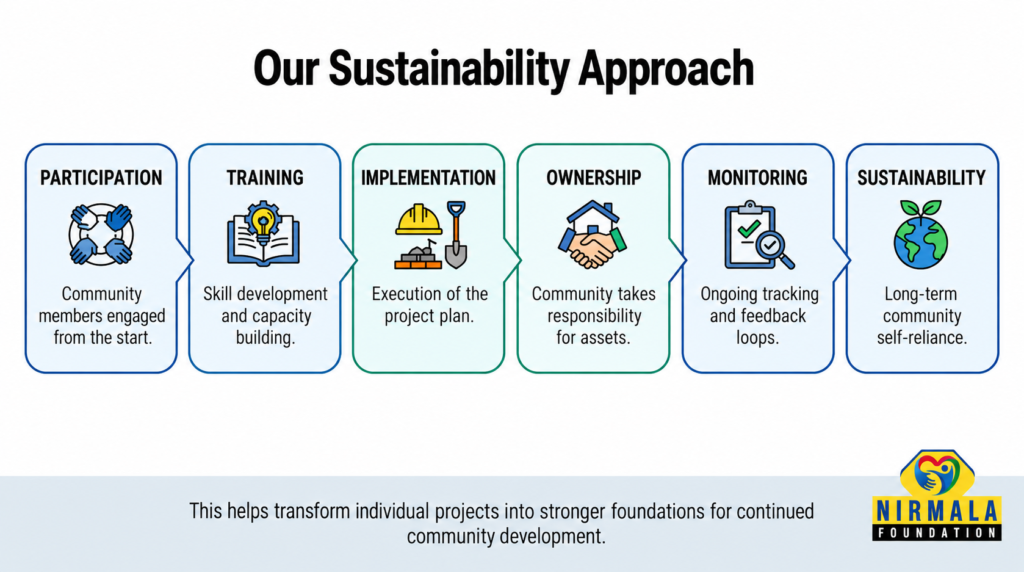
Our Sustainability Approach
Participation → Training → Implementation → Ownership → Monitoring → Sustainability
This helps transform individual projects into stronger foundations for continued community development.
Working With Communities, Not Just For Communities
People living in villages understand their local challenges better than anyone.
That is why community participation is central to our work. Farmers, women, youth, teachers, local leaders, and residents can contribute their experience and knowledge to help shape solutions that are practical for their communities.
This approach helps an NGO working for village development move beyond short-term assistance toward stronger local ownership.
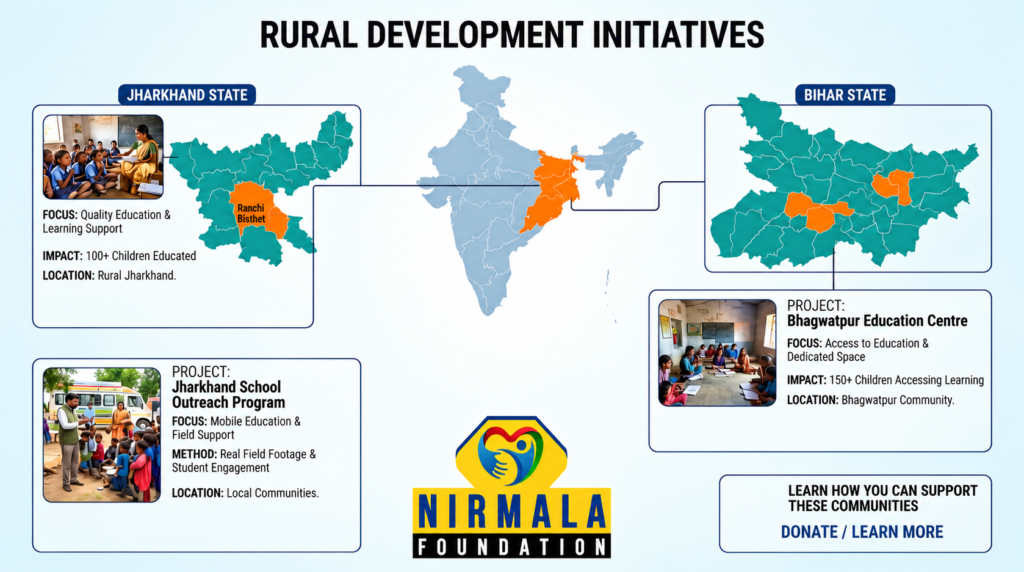
Where We Work
Our rural development initiatives are implemented according to the needs of the communities and regions we serve.
Partnerships for Rural Development
Sustainable development often requires collaboration.
We work with relevant partners, institutions, communities, volunteers, and other stakeholders to bring together knowledge, resources, technical expertise, and local participation.
Partnerships can help expand the reach of initiatives while ensuring that programs remain connected to actual community needs.
Who We Are
We are a community-focused organization working to support rural development through practical initiatives designed around local needs.
Our work brings together community participation, knowledge-sharing, sustainable practices, and field-based implementation to help villages build stronger and more resilient futures.
Our Vision
A future where rural communities have the knowledge, resources, opportunities, and local capacity to build secure and dignified lives.
Our Mission
To work alongside rural communities through development initiatives that strengthen livelihoods, improve access to essential resources, encourage participation, and create sustainable pathways for long-term community well-being.
Frequently Asked Questions
What does a rural development NGO do?
A rural development NGO works with communities to address local needs and improve access to education, livelihoods, skills, essential services, and development opportunities. Its work focuses on practical, sustainable solutions shaped by community participation and local priorities.
How does an NGO support village development?
An NGO for village development supports communities through education, livelihood programs, awareness initiatives, skills development, resource management, and community-based projects. The activities are planned according to the specific needs, challenges, and priorities of the communities being served.
What is an NGO project for rural development?
An NGO project for rural development is a community-focused initiative designed to address a specific rural need. Such projects may support education, livelihoods, agriculture, water conservation, skills development, youth development, or community participation.
Why is community participation important in rural development?
Community participation helps ensure that rural development initiatives address genuine local needs. Involving residents in planning and implementation also brings local knowledge into the process and can encourage greater community ownership of development activities.
What areas does an NGO working for rural development focus on?
An NGO working for rural development may focus on education, agriculture, livelihoods, water conservation, youth development, community participation, health awareness, and environmental sustainability. The areas of work depend on the needs and priorities of each community.
How can I support a rural development NGO?
You can support a rural development NGO by donating, volunteering, supporting educational initiatives, participating in community programs, or exploring partnership opportunities. Businesses can also contribute through CSR programs, employee volunteering, technical expertise, and other forms of community support.

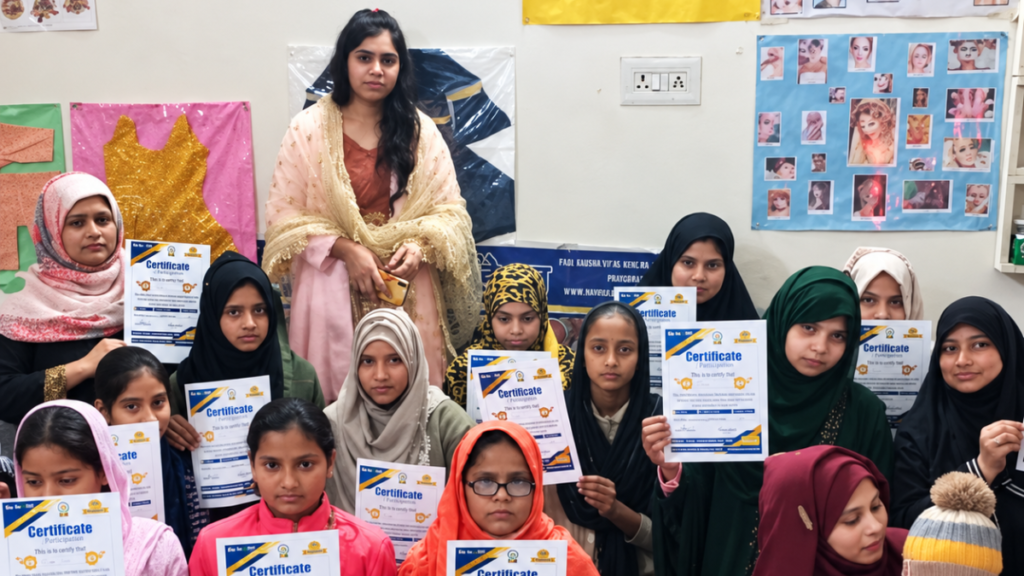
Skill Development and Livelihood Opportunities
call us to Help & Donate
Join Nirmala Foundation in Transforming Rural India
Rural development is not just a responsibility; it is a mission. By supporting Nirmala Foundation, a leading Rural Area Development NGO, you help create empowered, educated, and self-reliant communities. Together, we can build a future where every rural citizen has access to education, healthcare, skills, and sustainable livelihoods, transforming villages into thriving hubs of opportunity and growth.
📞 Contact Nirmala Foundation today to contribute, volunteer, or partner in building stronger rural communities.