- September 25, 2025
- Nirmala Foundation
- 0 Comments
- 60 Views
- 0 Likes
- Uncategorized
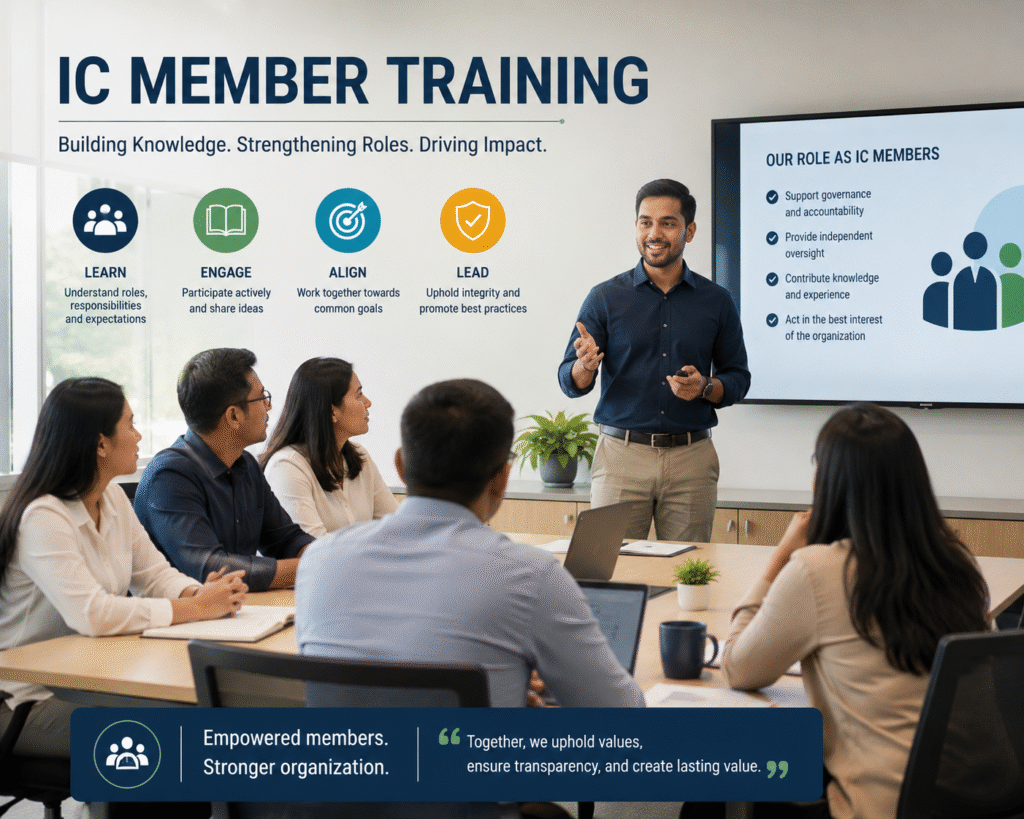
Training & Awareness on POSH
Ensuring a safe, respectful, and harassment-free workplace is a responsibility shared by both employees and organizations. Training and awareness programs on POSH play a critical role in educating employees about their rights and obligations under the POSH Act 2013. By conducting POSH Training, POSH awareness sessions, and POSH Workshops, organizations can create a proactive culture of prevention and accountability.
About Us – Nirmala Foundation
Nirmala Foundation is a dedicated nonprofit organization committed to empowering communities, promoting social welfare, and ensuring equality and dignity for all. Since our inception, we have focused on creating meaningful change through education, health, women empowerment, rural development, and social awareness initiatives.
Our mission is to uplift underprivileged sections of society, providing them with access to essential services, skill development opportunities, and platforms to achieve self-reliance.
Importance of Training & Awareness on POSH
Legal Compliance:
Organizations are required under the POSH Act 2013 to provide regular training and awareness programs for all employees. Non-compliance can lead to penalties and legal consequences.Prevention of Sexual Harassment:
Training equips employees to recognize, prevent, and report sexual harassment effectively. It reduces incidents by fostering a culture of respect.Empowerment of Employees:
POSH Training empowers employees to speak up confidently, seek redressal, and contribute to a positive workplace environment.Enhanced Workplace Culture:
POSH awareness programs and workshops help build trust, encourage professionalism, and promote gender sensitivity among all staff.
Our Services – Nirmala Foundation
At Nirmala Foundation, we are committed to empowering communities, promoting education, supporting women, improving healthcare, and driving social awareness initiatives. Our services are designed to address the needs of underprivileged communities and create sustainable impact.
1. Child Education Programs
We believe every child deserves access to quality education. Our initiatives include:
- Free Tuition Classes: Helping underprivileged children improve academic performance
- Sponsorship Programs: Ensuring children from marginalized families can continue their education
- Community Libraries: Promoting reading habits and lifelong learning
2. Women Empowerment Services
Empowering women is central to our mission. We offer:
- Vocational Training: Courses in sewing, beautician skills, and other employable skills
- Skill Development Workshops: Enhancing financial independence and career opportunities
- Awareness Programs: Educating women on legal rights, health, and personal development
3. Child Healthcare Services
Healthy children build a strong society. Our healthcare initiatives include:
- Free Health Camps & Vaccination Drives
- Emergency Medical Support for Children
- Health Awareness Programs: Educating families on nutrition, hygiene, and preventive care
4. Rural Development Programs
We aim to uplift rural communities through:
- Agricultural Support: Innovative techniques to increase yields
- Sanitation and Hygiene Initiatives
- Livelihood and Skill Enhancement Programs
5. Social Awareness Campaigns
Awareness is the first step toward change. Our campaigns focus on:
- Human Rights and Legal Awareness
- Gender Equality and Women Safety
- Health and Environmental Awareness
6. Kanyadaan Support for Poor Families
We assist financially disadvantaged families by funding weddings for girls, preventing dowry practices, and promoting dignity and social equality.
7. Volunteer and Donation Opportunities
We provide platforms for supporters to contribute meaningfully:
- Donate for Children, Women, and Rural Projects
- Sponsor a Cause or Child’s Education
- Volunteer for Programs and Awareness Campaigns
What is Sexual Harassment at Workplace?
Sexual harassment at the workplace refers to unwelcome behavior of a sexual nature that affects an individual’s dignity, comfort, and work environment. It is a serious violation of human rights and is strictly prohibited under the Sexual Harassment of Women at Workplace (Prevention, Prohibition, and Redressal) Act, 2013 (POSH Act 2013).
Sexual harassment can occur in any professional setting, including offices, factories, educational institutions, or during work-related events, whether in-person or virtual. Both women and men can be affected, although the law primarily focuses on protecting women at workplaces.
Forms of Sexual Harassment at Workplace
- Verbal Harassment
- Non-Verbal Harassment
- Physical Harassment
- Psychological Harassment
Why Awareness is Important
- Prevent incidents before they occur
- Empower employees to report violations confidently
- Create a safe, respectful, and productive workplace
- Ensure compliance with the POSH Act 2013
Conclusion
Sexual harassment at the workplace is not only illegal but also detrimental to the well-being and productivity of employees. By promoting POSH awareness, POSH training, and POSH workshops, organizations can create a safe, respectful, and inclusive work environment where every employee can thrive.
Sexual harassment can occur in any professional setting, including offices, factories, educational institutions, or during work-related events, whether in-person or virtual. Both women and men can be affected, although the law primarily focuses on protecting women at workplaces.
FAQs on POSH Awareness and Training
Sexual harassment at the workplace refers to any unwelcome verbal, non-verbal, or physical conduct of a sexual nature that affects an individual’s dignity, comfort, or work environment. It is prohibited under the POSH Act 2013.
Any employee (permanent, contractual, or trainee) who experiences sexual harassment at work can file a complaint with the Internal Complaints Committee (ICC). The law primarily protects women but encourages organizations to maintain safe workplaces for everyone.
Verbal: Inappropriate comments, jokes, or flirtatious remarks
Non-verbal: Offensive gestures, emails, or displaying obscene content
Physical: Unwanted touching, assault, or invasion of personal space
Psychological: Threats, coercion, or creating a hostile environment
Receiving complaints of sexual harassment
Investigating complaints confidentially
Recommending action or resolution in line with the POSH Act 2013
Complaints should ideally be filed within three months from the date of the incident. In certain cases, the ICC may allow extensions up to three months if there are valid reasons.

Leave a Comment