A structured e-learning module built with real-life scenarios to train employees, reinforce compliance, and encourage a positive workplace environment.
POSH Awareness Training in India: Creating Safe and Compliant Workplaces
Build a safe, compliant, and respectful workplace with a training program employees can easily understand and apply.
A respectful, safe, and inclusive workplace is essential for the growth and well-being of employees in any organization. Yet, incidents of workplace harassment can still occur and may affect both individuals and the overall work environment. To address this issue, the Government of India introduced the Sexual Harassment of Women at Workplace (Prevention, Prohibition and Redressal) Act, 2013, commonly known as the POSH Act. This law provides clear guidelines for organizations to prevent harassment, establish complaint mechanisms, and ensure that employees feel protected and respected while performing their duties.
To effectively implement the provisions of this law, organizations must conduct structured POSH Training programs for their employees. Such training helps individuals understand what constitutes sexual harassment, how to maintain professional conduct, and the proper steps for reporting concerns. At Nirmala Foundation, our POSH Training initiatives focus on building awareness, strengthening workplace policies, and promoting a culture of dignity and accountability. When employees are educated about their rights and responsibilities, organizations are better equipped to prevent misconduct and create a safe, supportive workplace for everyone.
What the POSH Training Course Covers
This section of POSH Training helps employees clearly understand what behaviour is considered sexual harassment and what is not. Through simple explanations and practical examples, participants learn to identify inappropriate actions and maintain professional conduct at work.
Includes:
- Scenario-based learning with real workplace situations
- Common types and examples of workplace harassment
- Simple explanation of key provisions of the POSH Act in India
A key part of POSH Training is guiding employees on how to respond if they witness or experience inappropriate behaviour. This module explains the proper reporting process and encourages responsible action while maintaining confidentiality.
Includes:
Steps employees should follow when reporting harassment
Do’s and don’ts while raising a complaint
Understanding official reporting channels and escalation procedures
This module explains how organizations handle complaints under the POSH Training framework. Employees learn about the internal complaint process, timelines for action, and how workplace policies support a safe environment.
Includes:
- Overview of workplace POSH policy
- Complaint redressal process and timelines
- Understanding false or malicious complaints and legal considerations
Beyond compliance, POSH Training focuses on building a workplace culture based on respect, equality, and professionalism. Employees understand their role in preventing harassment and supporting a positive work environment.
Includes:
- Responsibility of employees in maintaining workplace respect
- Awareness about bystander intervention
- Self-reflection activities to encourage ethical workplace behaviour
Understanding POSH Awareness Training
POSH Training plays an important role in educating employees about workplace conduct and the prevention of sexual harassment. The purpose of this training is to help individuals clearly understand what sexual harassment is, how it can impact employees and organizations, and the appropriate steps that should be taken to prevent such behaviour. By creating awareness, POSH Training encourages a workplace culture based on respect, equality, and professional behaviour. Employees learn about their rights, responsibilities, and the importance of maintaining a safe and supportive work environment.
Under the provisions of the POSH Act, organizations of different sizes are expected to take proactive steps to inform employees about workplace safety and harassment prevention. Conducting structured POSH Training sessions ensures that employees are aware of the legal framework, understand unacceptable workplace behaviour, and know how organizations address complaints responsibly. These awareness initiatives also help build a work culture where employees feel confident to speak up and report concerns without fear.
At Nirmala Foundation, our POSH Training programs focus on providing clear guidance on the law, workplace ethics, and the complaint redressal process. Employees are guided on how to identify inappropriate conduct, how to respond to such situations, and how to report incidents through proper channels while maintaining confidentiality. Regular training sessions help reinforce awareness and ensure that every employee contributes to creating a respectful and safe workplace.
Why POSH Training is Essential for Organizations
One of the primary reasons organizations conduct POSH Training is to comply with the legal requirements established under the Prevention of Sexual Harassment (POSH) Act, 2013. This law requires employers to create a safe working environment and actively take steps to prevent harassment at the workplace. Organizations that fail to follow these regulations may face legal penalties, including financial fines and other serious consequences. In cases of repeated non-compliance, authorities may even take strict actions that could impact business operations.
By conducting regular POSH Training, companies demonstrate their commitment to following the law and maintaining workplace safety. These programs educate employees about workplace policies, legal responsibilities, and appropriate behaviour, helping organizations reduce the risk of violations and legal disputes.
Protecting and Empowering Employees
A major objective of POSH Training is to ensure that employees feel protected and confident in their workplace. Although the POSH Act was introduced primarily to safeguard women employees, the principles of respect, dignity, and safety apply to every individual in an organization.
Many employees may not always recognize whether certain behaviour qualifies as harassment. Without proper awareness, they may hesitate to speak up due to fear, confusion, or lack of knowledge about reporting procedures. Through structured POSH Training, employees gain a clear understanding of unacceptable conduct and the steps they can take if they experience or witness such situations.
At Nirmala Foundation, our POSH Training programs focus on educating employees about their rights, responsibilities, and the available mechanisms for reporting concerns in a safe and confidential manner. This awareness empowers individuals to contribute to a respectful and accountable workplace environment.
Promoting a Healthy Workplace Culture
A positive workplace culture plays a significant role in employee satisfaction and productivity. When harassment or inappropriate behaviour is ignored, it can create a negative work environment that affects morale, teamwork, and employee retention.
Regular POSH Training helps prevent such issues by encouraging respect, professionalism, and clear communication among employees. When individuals understand workplace boundaries and behavioural expectations, they are more likely to maintain positive relationships with colleagues.
Organizations that prioritize POSH Training often experience stronger teamwork, improved employee engagement, and higher productivity. Employees who feel safe and respected are more motivated to contribute to the organization’s goals and long-term success.
Protecting the Organization’s Reputation
In today’s interconnected world, workplace incidents can quickly become public and impact an organization’s reputation. Allegations of harassment can damage trust among employees, clients, and business partners, leading to long-term consequences.
Implementing regular POSH Training demonstrates that an organization takes workplace safety seriously and is committed to maintaining ethical standards. These training programs not only help prevent incidents but also show that the company has taken proactive measures to address potential risks.
At Nirmala Foundation, we encourage organizations to adopt comprehensive POSH Training initiatives that strengthen workplace policies and reinforce the message that respect and dignity are fundamental values in every professional environment. By doing so, organizations can protect their reputation while creating a safe and inclusive workplace for all employees.
A major objective of POSH Training is to ensure that employees feel protected and confident in their workplace. Although the POSH Act was introduced primarily to safeguard women employees, the principles of respect, dignity, and safety apply to every individual in an organization.
Many employees may not always recognize whether certain behaviour qualifies as harassment. Without proper awareness, they may hesitate to speak up due to fear, confusion, or lack of knowledge about reporting procedures. Through structured POSH Training, employees gain a clear understanding of unacceptable conduct and the steps they can take if they experience or witness such situations.
At Nirmala Foundation, our POSH Training programs focus on educating employees about their rights, responsibilities, and the available mechanisms for reporting concerns in a safe and confidential manner. This awareness empowers individuals to contribute to a respectful and accountable workplace environment.
A positive workplace culture plays a significant role in employee satisfaction and productivity. When harassment or inappropriate behaviour is ignored, it can create a negative work environment that affects morale, teamwork, and employee retention.
Regular POSH Training helps prevent such issues by encouraging respect, professionalism, and clear communication among employees. When individuals understand workplace boundaries and behavioural expectations, they are more likely to maintain positive relationships with colleagues.
Organizations that prioritize POSH Training often experience stronger teamwork, improved employee engagement, and higher productivity. Employees who feel safe and respected are more motivated to contribute to the organization’s goals and long-term success.
In today’s interconnected world, workplace incidents can quickly become public and impact an organization’s reputation. Allegations of harassment can damage trust among employees, clients, and business partners, leading to long-term consequences.
Implementing regular POSH Training demonstrates that an organization takes workplace safety seriously and is committed to maintaining ethical standards. These training programs not only help prevent incidents but also show that the company has taken proactive measures to address potential risks.
At Nirmala Foundation, we encourage organizations to adopt comprehensive POSH Training initiatives that strengthen workplace policies and reinforce the message that respect and dignity are fundamental values in every professional environment. By doing so, organizations can protect their reputation while creating a safe and inclusive workplace for all employees.
Essential Elements of an Effective POSH Training Program
An effective POSH Training program should be carefully structured to address the needs of different employees within an organization. From entry-level staff to leadership teams, everyone must understand their role in maintaining a safe and respectful workplace. A well-designed training program ensures that employees gain awareness of workplace conduct, legal responsibilities, and the procedures for addressing complaints. At Nirmala Foundation, our POSH Training approach focuses on building awareness across all levels of an organization so that every employee contributes to preventing workplace harassment.
Awareness Training for All Employees
The foundation of any POSH Training program begins with educating all employees about the basic principles of workplace safety and respectful behaviour. Every individual, regardless of position or department, should clearly understand the policies and expectations related to harassment prevention.
- Understanding sexual harassment: Employees learn about different forms of harassment, including verbal, physical, non-verbal, and digital misconduct that may occur in professional environments.
- Rights and responsibilities: Both complainants and respondents have rights that must be respected throughout the complaint process. Training helps employees understand these rights and responsibilities.
- Complaint reporting procedures: Employees are informed about how to raise concerns, who to approach, and how complaints are handled confidentially by the organization.
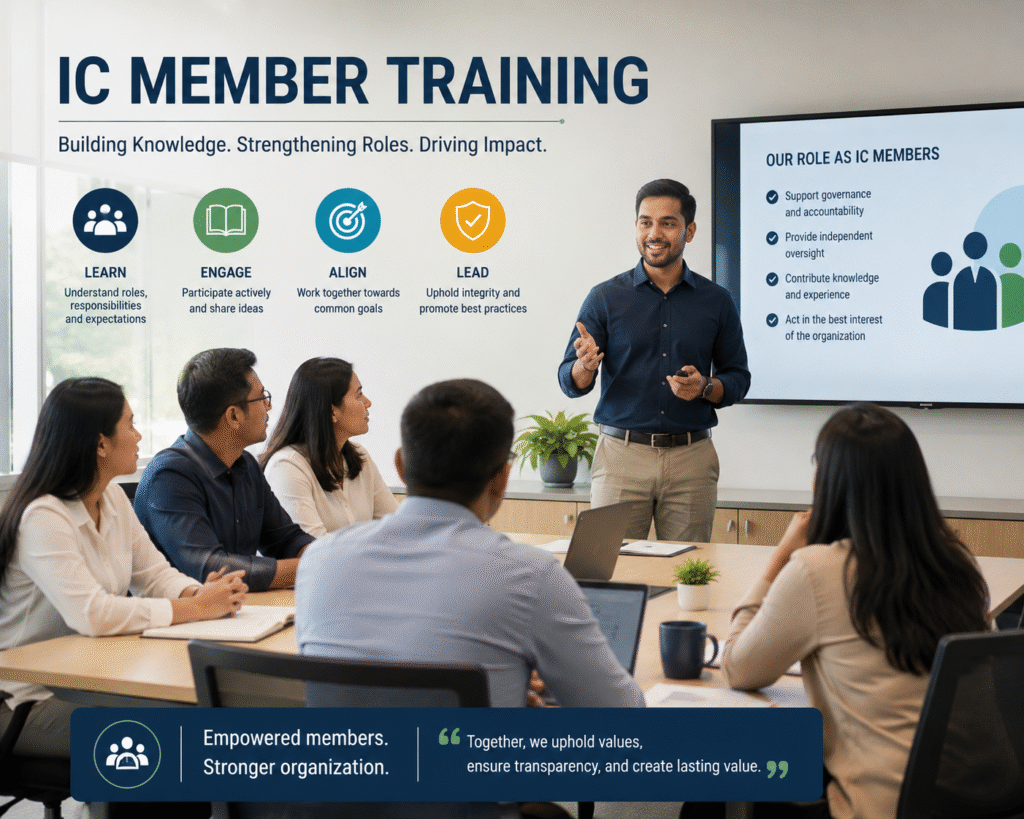
- Role of the Internal Committee (IC): The training explains how the Internal Committee functions and how it investigates workplace complaints.
Through structured POSH Training, employees become more aware of workplace boundaries and the importance of maintaining respectful professional interactions.
Prevention Strategies for Workplace Safety
Another important aspect of POSH Training is helping employees understand how harassment can be prevented before it occurs. Training programs should emphasize proactive behaviour and encourage employees to contribute to a positive work culture.
- Recognizing early signs of inappropriate behaviour
- Addressing concerns responsibly and respectfully
- Supporting colleagues who may face uncomfortable situations
- Encouraging a respectful workplace environment
By promoting awareness and accountability, POSH Training helps reduce the chances of workplace misconduct and strengthens employee trust.
Specialized POSH Training for Managers and Supervisors
Managers and supervisors often serve as the first point of contact when workplace issues arise. Because of this responsibility, leadership teams require more detailed POSH Training to handle situations effectively and responsibly.
- Handling complaints professionally: Managers learn how to document concerns and guide employees through the proper reporting channels.
- Responding sensitively to victims: Training emphasizes empathy, confidentiality, and professionalism when dealing with sensitive cases.
- Preventive leadership practices: Supervisors are encouraged to promote respectful behaviour within teams and address issues before they escalate.
Through advanced POSH Training, managers gain the knowledge and confidence to maintain a safe work environment while supporting employees appropriately.
Training for Internal Committee Members
Organizations with ten or more employees are required to establish an Internal Committee to address harassment complaints. Members of this committee must receive specialized POSH Training to ensure they perform their responsibilities effectively.
- Understanding their roles and responsibilities in handling workplace complaints
- Conducting fair and unbiased investigations
- Maintaining confidentiality during inquiry processes
- Following proper legal procedures under the POSH Act
Proper POSH Training ensures that Internal Committee members are equipped with the knowledge needed to handle complaints with professionalism and fairness.
Addressing the Needs of Different Employee Groups
In many workplaces, employees may come from diverse backgrounds, including blue-collar workers who may face challenges related to language or limited access to digital training resources. An inclusive POSH Training program should consider these differences to ensure that every employee understands their rights and responsibilities.
- Conducting workshops in local languages
- Using simple examples and visual learning methods
- Providing in-person awareness sessions when needed
- Offering mobile or offline training formats for accessibility
At Nirmala Foundation, our POSH Training programs are designed to reach employees at all levels and ensure that everyone understands workplace safety standards under the POSH Act.
A well-structured POSH Training program helps organizations build a culture of respect, accountability, and equality. By educating employees and leadership teams, companies can create safer workplaces while strengthening trust, productivity, and long-term organizational growth.