Corporate Social Responsibility funding has become one of the strongest drivers of sustainable development in India. Since CSR was mandated under the Companies Act, 2013, companies are required to allocate a portion of their profits toward social development initiatives. These efforts span critical sectors such as education, healthcare, women empowerment, environmental protection, and rural development.
For non-governmental organisations, access to a CSR Fund for NGO support is not limited to financial assistance alone. It enables long-term partnerships, strengthens governance practices, and supports the delivery of measurable, outcome-based programs. However, many grassroots NGOs with strong impact struggle to access CSR funding due to limited awareness of corporate priorities, compliance requirements, and proposal standards.
This page offers a structured understanding of how CSR funding works in India and how NGOs can position themselves effectively to access the right CSR Fund for NGO opportunities. Drawing from on-ground experience, Nirmala Foundation shares practical insights to help organisations align their projects with corporate CSR objectives and secure sustainable funding.
Introduction
Smart Strategies to Secure CSR Grants Faster
Securing corporate funding is no longer just about having a good cause. Today, companies look for structured, compliant, and impact-driven organisations before allocating a CSR Fund for NGO projects. With thousands of NGOs competing for limited CSR budgets, speed and strategy matter more than ever.
This guide breaks down smart, actionable strategies that help NGOs shorten funding cycles, build credibility, and attract CSR partners faster—without compromising ethics or impact.
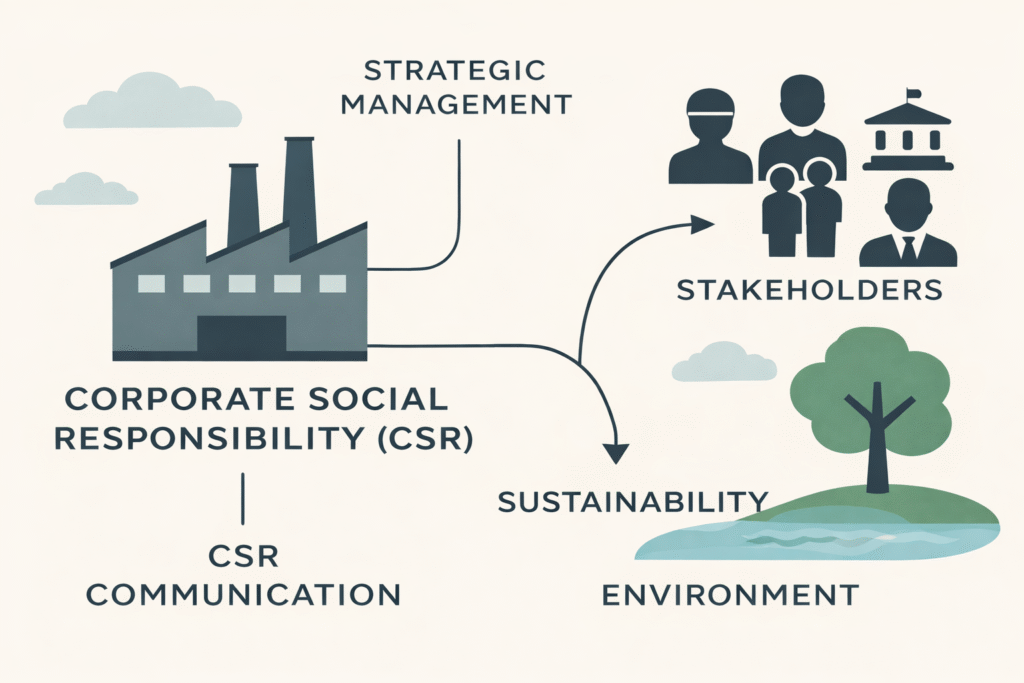
Understand How CSR Decision-Making Really Works
Before approaching corporates, NGOs must understand how CSR funding decisions are made internally.
Most companies follow a structured process:
- Annual CSR planning and budget allocation
- Priority sector selection
- Partner screening and due diligence
- Proposal evaluation
- Board or CSR committee approval
CSR funds are usually committed months in advance, not at the last minute. NGOs that approach companies only when they need money often miss the funding window. To access a CSR Fund for NGO, alignment with the company’s annual CSR calendar is critical.
Understanding this process helps NGOs plan outreach at the right time and avoid delays.
Build Compliance First, Not Last
One of the biggest reasons CSR proposals get rejected is incomplete compliance.
Companies are legally bound to fund only eligible NGOs under the Companies Act, 2013. NGOs must ensure:
- Valid registration (Trust, Society, or Section 8)
- Active CSR-1 registration
- Minimum three years of track record (in most cases)
- Clean financial audits
- Clear governance structure
CSR teams do not have time to chase missing documents. NGOs that are compliance-ready gain trust quickly and move faster in the approval pipeline. Strong compliance signals that the CSR Fund for NGO will be used responsibly and transparently.

Preparing Your NGO for Corporate CSR Funding
1. Define Your Mission Clearly
Clearly articulate the social problem your organisation is addressing and the specific outcomes you aim to achieve. A focused mission makes it easier to align your project with CSR objectives and demonstrate measurable impact.
2. Identify the Right Corporate Partners
Research companies whose CSR focus areas align with your work. Understanding their past CSR initiatives, geographic priorities, and sector preferences increases the likelihood of securing a relevant CSR Fund for NGO partnership.
3. Strengthen Your Digital Presence
A professional website and active communication channels help build trust. Corporates often assess transparency and credibility through online platforms before initiating discussions.
Creating a Strong CSR Funding Proposal
Project Overview
Start with a concise summary of your initiative. Clearly define objectives, target beneficiaries, and the intended use of CSR funds.
Detailed Project Explanation
Explain the problem, your implementation approach, and expected outcomes. Demonstrate how the project aligns with the company’s CSR goals and Schedule VII guidelines.
Budget Breakdown and Financial Planning
Present a detailed and itemised budget. Clearly show how CSR funds will be allocated. Financial transparency reflects accountability and responsible fund utilisation.
Monitoring and Impact Evaluation
Describe how progress will be tracked and outcomes measured. Include indicators, reporting tools, and impact metrics such as SROI. This reassures corporates that the CSR Fund for NGO will deliver measurable results.
Managing the CSR Application Process
1. Prepare Essential Documents
Compile all key documents, including your project proposal, annual and audit reports, and impact case studies. These materials help demonstrate your organization’s credibility, track record, and real-world impact.
2. Complete Required Registrations and Compliance
Make sure your organization holds all mandatory registrations, such as 80G for donor tax benefits, 12A for income tax exemption, and FCRA approval if you receive international contributions. Proper compliance increases donor confidence.
3. Follow Submission Requirements Carefully
Adhere strictly to each company’s application instructions. Keep your submission clear and focused, emphasize measurable impact, and review it thoroughly for accuracy. A well-presented application improves your chances of approval.
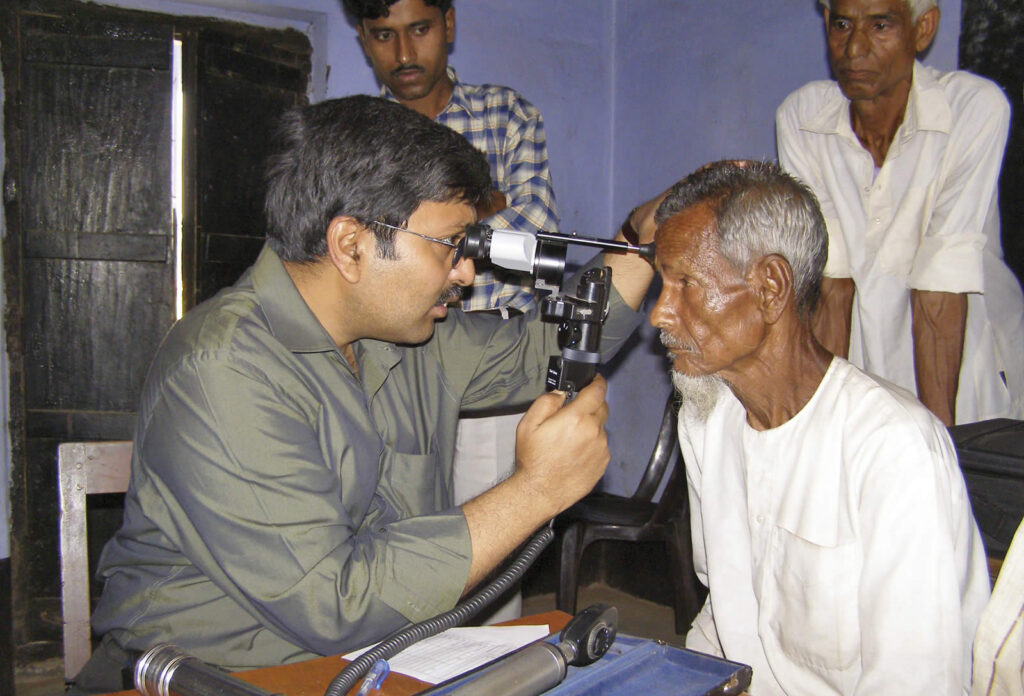
Free Eye Checkup Camps – Delhi NCR
With support from a healthcare-focused corporate partner, Nirmala Foundation implemented a series of free eye checkup camps across Delhi NCR.
Over 3,500 beneficiaries covered, including children, elderly individuals, and daily wage workers
On-the-spot distribution of reading glasses and medical referrals
Awareness sessions on eye hygiene and digital eye strain
Collaboration with local PHCs for follow-up treatment
This initiative demonstrates how a well-structured CSR Fund for NGO partnership can deliver immediate and long-term healthcare outcomes.
Selecting the Right Implementation Partner
Reviewing an organization’s past three years of financials and activities offers useful insights, but it alone may not be sufficient to determine whether an NGO is the right fit for CSR funding. Before applying for or supporting an organization, the following factors should be carefully evaluated:
1. Organisational Credibility
Beyond media mentions and well-known collaborations, strong credibility is built on verifiable evidence of work. NGOs should maintain detailed documentation such as independent evaluation reports, impact assessments, photographs where relevant, annual reports, strategic plans, and proof of on-ground execution. Information about existing and past partnerships also strengthens trust. Credibility is most effective when it is supported by facts, not reputation alone.
2. Alignment of Vision and Objectives
It is essential to assess whether the NGO’s mission and programs align with the company’s CSR priorities. What social issues does the company aim to address? Do the organisation’s activities complement these goals, or are there areas of conflict? Proposals should clearly outline ongoing initiatives and specify how corporate partners can contribute—through funding, expertise, services, or long-term collaboration.
3. Achievable Outcomes and Practical Budgeting
CSR donors often look for visible and meaningful outcomes within defined timelines. NGOs must present realistic goals and transparent budgets that reflect achievable impact. While long-term social change—such as shifts in societal attitudes—takes time, short- and medium-term indicators can be measured. For example, progress can be demonstrated through metrics like the number of girls educated, women placed in employment, or beneficiaries gaining financial independence.
Conclusion
Accessing a CSR Fund for NGO in India requires more than intent—it demands planning, compliance, and clarity. NGOs that understand corporate decision-making, maintain strong governance, and present impact-driven proposals are far more likely to secure sustainable CSR partnerships.
Through its experience and on-ground work, Nirmala Foundation continues to support responsible CSR implementation, helping corporates and NGOs work together to create meaningful and lasting social change.
Frequently Asked Questions
Scholarship programs funded by organizations such as Reliance and SBI are treated as CSR expenditures and fall under Schedule VII of the Companies Act.
Independent impact assessments are required only for projects with a budget of ₹1 crore or more, and for companies whose total annual CSR spending exceeds ₹10 crore.